Another World, also known as Out of This World in North America and Outer World in Japan, is a classic video game that embodies the play-centric storytelling experience.
A pioneer platformer action-adventure game designed by Éric Chahi for Delphine Software, Another World was released in 1991 and tells a story of a young scientist named Lester. As a result of an experiment gone wrong, the game’s protagonist finds himself in a dangerous alien world where he is forced to fight for his survival. The player uses either the keyboard, joystick or gamepad to make the protagonist run, jump, attack and perform other, situation-specific actions, such as rocking a cage back and forth.
Another World’s storytelling involves learning and investigation while playing. The world that the protagonist appears in is entirely foreign and players have to quickly adapt to both survive and learn the fate of Lester.
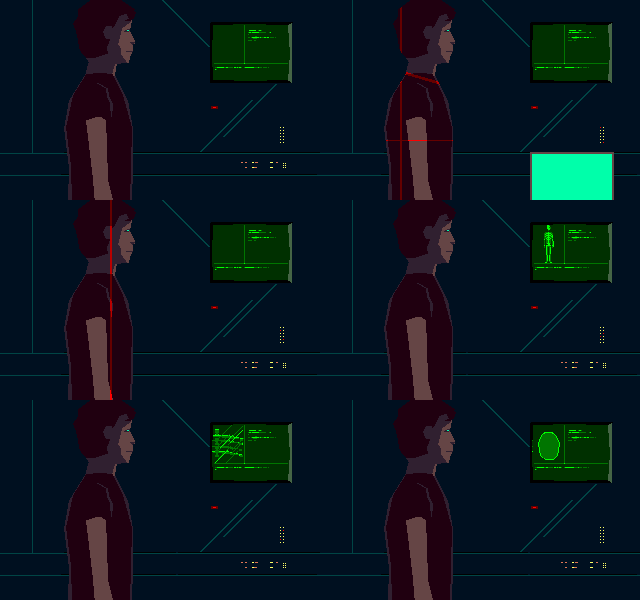
In the initial part of the game, the player’s character Lester is unarmed. He is able to kick at small creatures, but is otherwise defenseless until later in the game. Lester cannot sustain any damage, and the game ends immediately if is struck by a projectile or comes in contact with an animal or an environmental hazard. Action will also often occur in the foreground and background of the game. These unexpected, and often key, moments emphasize the chaos or danger of the player-character’s situation—giving the game’s story a sense of immediacy.
As the player you know no way forward and the game does not allow one to save their progress. The trial-and-error gameplay places readers at the start of a maze where save points don’t exist. The physical labyrinth of the game’s design is a space that confounds players as they engage the story. You are caught between alternative routes and options, learning more with each new play through.
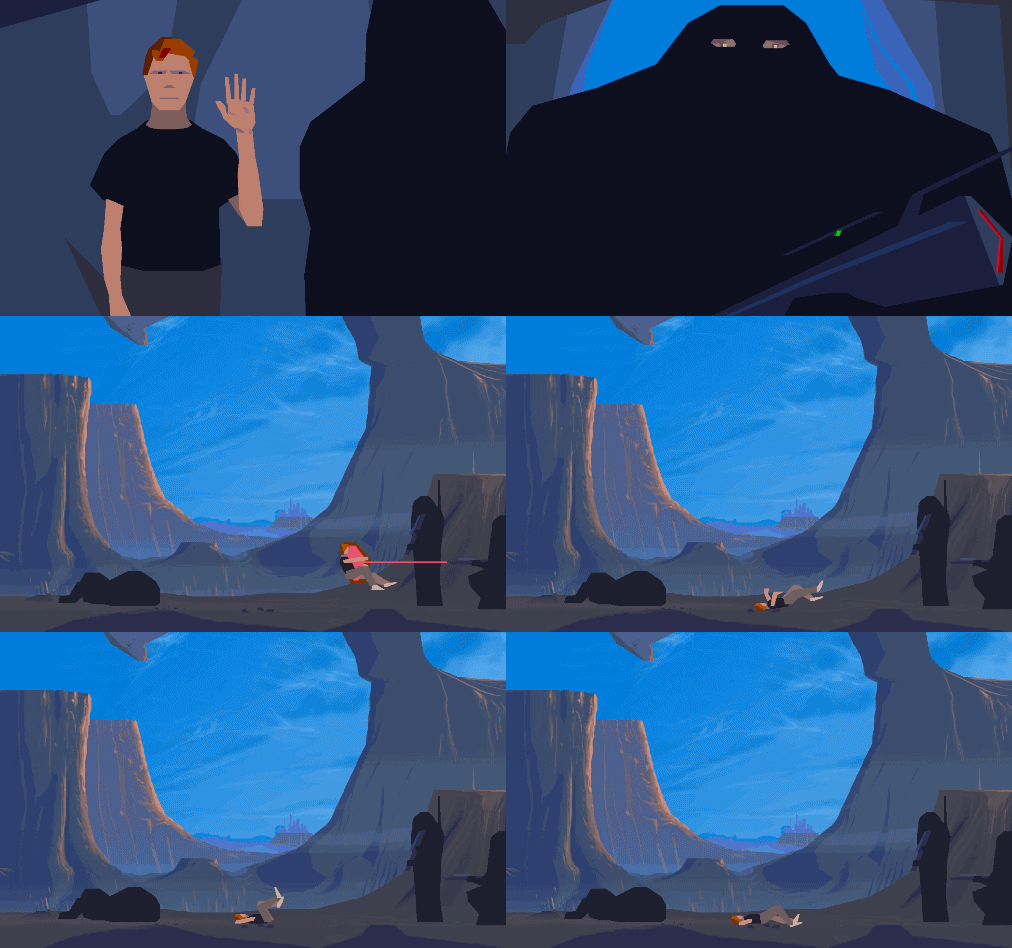
Another World contains a sense of mystery that makes it all the more lonely, and often, quietly beautiful. The game can be brutal and heartbreaking despite its small cast of characters and minimalist gameplay—which resonated with gamers in ways they weren’t expecting. Built from spare polygons, the game’s vector graphics conjure a threatening alien world filled that surrounds the player in an exquisitely simple and evocative way.
The pacing of the platforming heavy gameplay, melded with taking in the sights of the sublime alien landscape, further enhances the challenge as player’s traverse their way through the game’s labyrinthine levels. Slowly adapting to your hostile surroundings offers a hard-earned satisfaction and a surprisingly moving story where observation is rewarded (the game shows a great deal more than it tells).
Ultimately, you play to progress and to progress is to learn more about the mysteries of the alien world. Maneuvering through the game’s labyrinthine narrative is a treat, though requiring a measure of skill to do so. Another World is divided into over a dozen invisible chapters that are only apparent when you die. As a title driven by trial and error puzzle solving, expect to die a lot in this game. Thankfully players rarely have to replay more than a few seconds of the previous section before they are able to traverse farther into the game world.
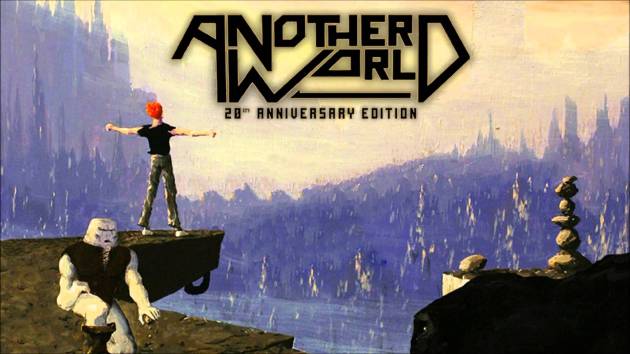
Since it’s debut, Another World has been praised by both critics and gaming enthusiasts alike as an icon within the history of video games. The 20th Anniversary port, released on all major platforms by June 2014, continues to deliver an impactful adventure faithful to the original while preserving a piece of gaming history.
The community of players surrounding this compelling play-centric narrative remain enamored with the unique interactive storytelling experience that, regardless of the challenge, is worth getting to end. Each new twist, puzzle, or hurdle the player must overcome contributes to game’s minimalist story of Lester’s homeward journey. Despite it’s short length, and low replay value, Another World still inspires.

 StoryMode